
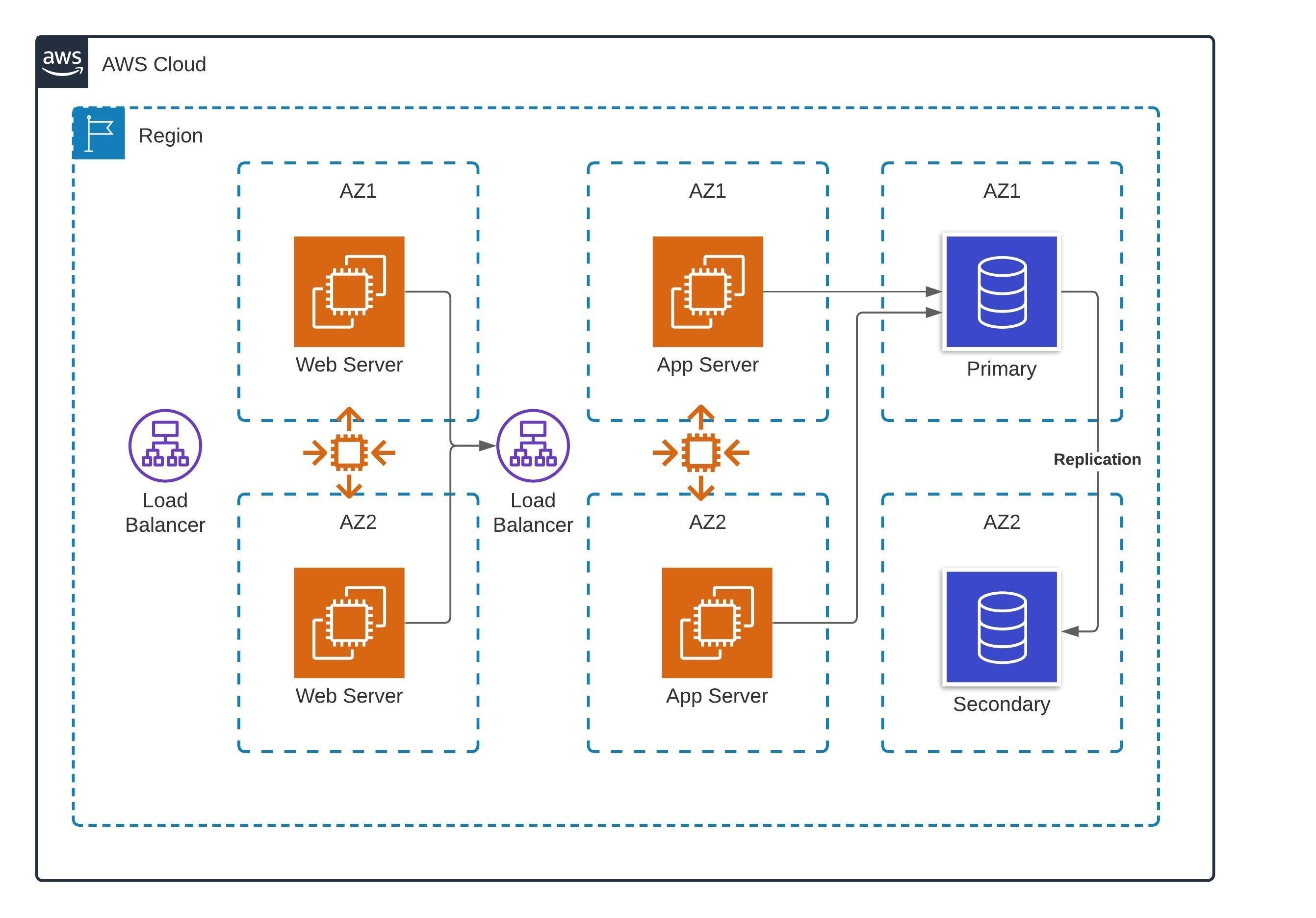
The AWS Cloud Architecture program provides a comprehensive understanding of the key components of Amazon Web Services (AWS) infrastructure. Participants will learn how to design, deploy, and manage scalable, secure, and highly available cloud architectures using AWS services.
Program Overview:
The AWS Cloud Architecture program is designed to equip participants with the knowledge and skills to architect, deploy, and manage scalable cloud infrastructures using Amazon Web Services (AWS). AWS is a leading cloud computing platform known for its vast array of services, including computing power, storage, and networking, making it essential for building modern cloud architectures. In this program, learners will explore the core services of AWS, including Amazon EC2 (Elastic Compute Cloud), S3 (Simple Storage Service), and VPC (Virtual Private Cloud), and understand how they can be used to build flexible, resilient cloud solutions. The program also covers key architectural concepts such as high availability, fault tolerance, and disaster recovery. Participants will learn how to design and implement secure, cost-effective, and efficient cloud infrastructures while adhering to best practices for scaling and performance. The program combines theoretical knowledge with hands-on labs and real-world case studies to prepare learners for AWS architectural roles.
Program Structure:
The AWS Cloud Architecture program is divided into several modules, each covering critical aspects of cloud architecture using AWS services.
1. Introduction to Cloud Computing and AWS: This module introduces learners to the concept of cloud computing, the different AWS service models (IaaS, PaaS, SaaS), and AWS’s global infrastructure, including regions, availability zones, and data centers.
2. Core AWS Services: Learners explore foundational AWS services such as Amazon EC2 (compute), Amazon S3 (storage), Amazon RDS (relational databases), and VPC (networking). Participants learn how to provision, configure, and manage these resources in the AWS cloud.
3. High Availability and Fault Tolerance: Understand how to design cloud architectures that ensure high availability, disaster recovery, and auto-scaling to maintain performance during peak traffic periods.
4. Security Best Practices: Learn about AWS Identity and Access Management (IAM), encryption, and other security best practices to protect data and ensure compliance.
5. Cost Optimization and Monitoring: Gain insights into AWS Cost Explorer, CloudWatch, and CloudTrail for monitoring, budgeting, and optimizing cloud infrastructure costs.
6. Advanced Architectures: Study serverless architectures (using AWS Lambda and API Gateway), containerized services (using ECS and EKS), and building event-driven architectures with AWS SQS and SNS.
The program concludes with a practical project where learners apply their knowledge to design an AWS-based architecture for a real-world scenario.
Skills that You Master:
By completing the AWS Cloud Architecture program, participants will master the following key skills:
- Cloud Architecture Design: Learn to design scalable, highly available, and fault-tolerant architectures using core AWS services such as EC2, S3, and VPC.
- AWS Compute and Storage: Gain hands-on experience provisioning and managing compute resources with EC2, setting up storage with S3 and EBS, and utilizing Amazon RDS for managed databases.
- High Availability and Fault Tolerance: Master the principles of building cloud infrastructures that provide continuous service availability, including implementing multi-AZ deployments, load balancing, and auto-scaling.
- Security Best Practices: Understand how to manage permissions and access with IAM, configure security groups, and encrypt data for enhanced protection.
- Cost Optimization: Learn strategies for managing AWS costs, including monitoring usage and optimizing resource allocation with AWS Trusted Advisor and Cost Explorer.
- Serverless and Containerization: Gain expertise in serverless computing with AWS Lambda, and container orchestration using Amazon ECS and EKS.
These skills will enable participants to design, deploy, and manage efficient, secure, and cost-effective cloud architectures in AWS, ensuring business scalability and performance.
Who Should Enroll:
The AWS Cloud Architecture program is ideal for IT professionals, cloud engineers, solutions architects, and developers who want to specialize in designing cloud architectures using AWS. It’s suited for individuals with a foundational understanding of cloud computing and those looking to expand their expertise in cloud infrastructure, architecture best practices, and advanced AWS services. Basic AWS knowledge is recommended.
- Teacher: ADG User
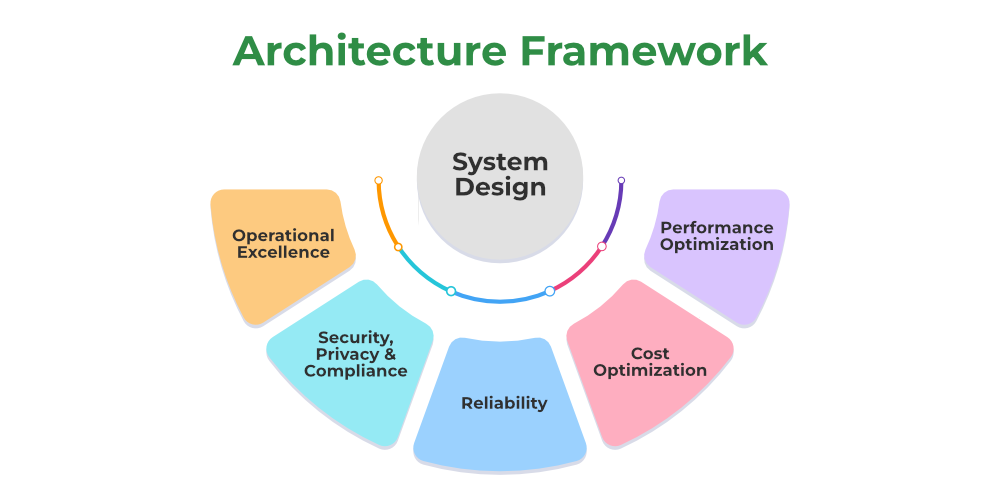
The "Infrastructure Framework of Google Cloud" program provides an in-depth understanding of the foundational components and architecture of Google Cloud Platform (GCP). Learn how GCP’s global infrastructure, services, and networking solutions work together to deliver scalable, secure, and resilient cloud environments.
Program Overview:
The Infrastructure Framework of Google Cloud program offers a comprehensive look at the architecture that powers Google Cloud Platform (GCP). GCP is known for its highly scalable, secure, and global infrastructure, designed to meet the needs of businesses and developers looking to build, deploy, and manage applications in the cloud. This program focuses on key components such as Google’s Global Network, which provides high-speed connections, low-latency access, and redundancy across the globe. Participants will learn about data centers, regions, and zones that form the foundation of GCP’s availability and reliability. The course delves into Google Compute Engine, Google Kubernetes Engine (GKE) for container orchestration, and Virtual Private Cloud (VPC) for network isolation. Additionally, learners will explore Cloud Load Balancing, Identity and Access Management (IAM) for security, and the integration of services for creating a cohesive, optimized infrastructure. By the end, participants will understand how to design resilient and scalable cloud environments using GCP’s infrastructure.
Program Structure:
The Infrastructure Framework of Google Cloud program is divided into several modules, each focusing on critical aspects of GCP’s infrastructure.
1. Introduction to Google Cloud Infrastructure: The program begins with an overview of GCP’s global infrastructure, including regions, zones, and data centers, and how these elements ensure high availability and fault tolerance.
2. Compute and Storage Services: Learners explore Google Compute Engine (VMs), Google Kubernetes Engine (GKE), and App Engine, understanding how to deploy applications and manage resources effectively in the cloud. The module also covers Cloud Storage and its various types (object storage, block storage, etc.) for scalable data storage solutions.
3. Networking: The program covers GCP’s Virtual Private Cloud (VPC) for network isolation, load balancing, and routing. Participants will also learn about Cloud DNS, Cloud CDN, and Private Google Access for seamless networking.
4. Identity and Security: Focus on IAM (Identity and Access Management) for controlling access to GCP resources and best practices for securing cloud environments.
5. Monitoring and Management: Understand how to monitor, manage, and optimize the infrastructure using Google Cloud Operations (formerly Stackdriver), Cloud Logging, and Cloud Monitoring.
6. Scalability and Automation: Learn how to scale applications and infrastructure dynamically using Auto Scaling, Cloud Functions, and Cloud Pub/Sub for event-driven architectures.
The program concludes with practical case studies and projects to help learners apply the concepts to real-world GCP infrastructure setups.
Skills that You Master:
By completing the Infrastructure Framework of Google Cloud program, you will master a range of skills essential for managing and scaling cloud infrastructure:
- Google Cloud Architecture: Gain a deep understanding of GCP’s global architecture, including regions, zones, and the global network that ensures low latency and high availability.
- Compute and Container Management: Learn how to deploy and manage applications using Google Compute Engine (VMs), Google Kubernetes Engine (GKE), and App Engine, gaining skills in both traditional and containerized cloud environments.
- Networking in GCP: Master Virtual Private Cloud (VPC), configuring subnets, firewalls, and load balancing for secure and efficient network management across cloud resources.
- Cloud Security: Understand how to implement IAM (Identity and Access Management) for resource security, managing roles and permissions to control access to GCP services.
- Monitoring and Optimization: Learn to monitor cloud infrastructure using Cloud Monitoring and Cloud Logging, optimizing performance and troubleshooting using these GCP tools.
- Scalability and Automation: Develop expertise in using Auto Scaling, Cloud Functions, and Cloud Pub/Sub for automating cloud infrastructure management and event-driven applications.
These skills will enable you to design, manage, and optimize cloud infrastructure with a focus on scalability, security, and performance.
Who Should Enroll:
The Infrastructure Framework of Google Cloud program is ideal for IT professionals, cloud engineers, and system architects who want to specialize in cloud infrastructure design and management. It’s also suited for developers seeking to understand GCP’s architecture and services. A basic understanding of cloud computing and networking is recommended for those enrolling in this program.
- Teacher: ADG User
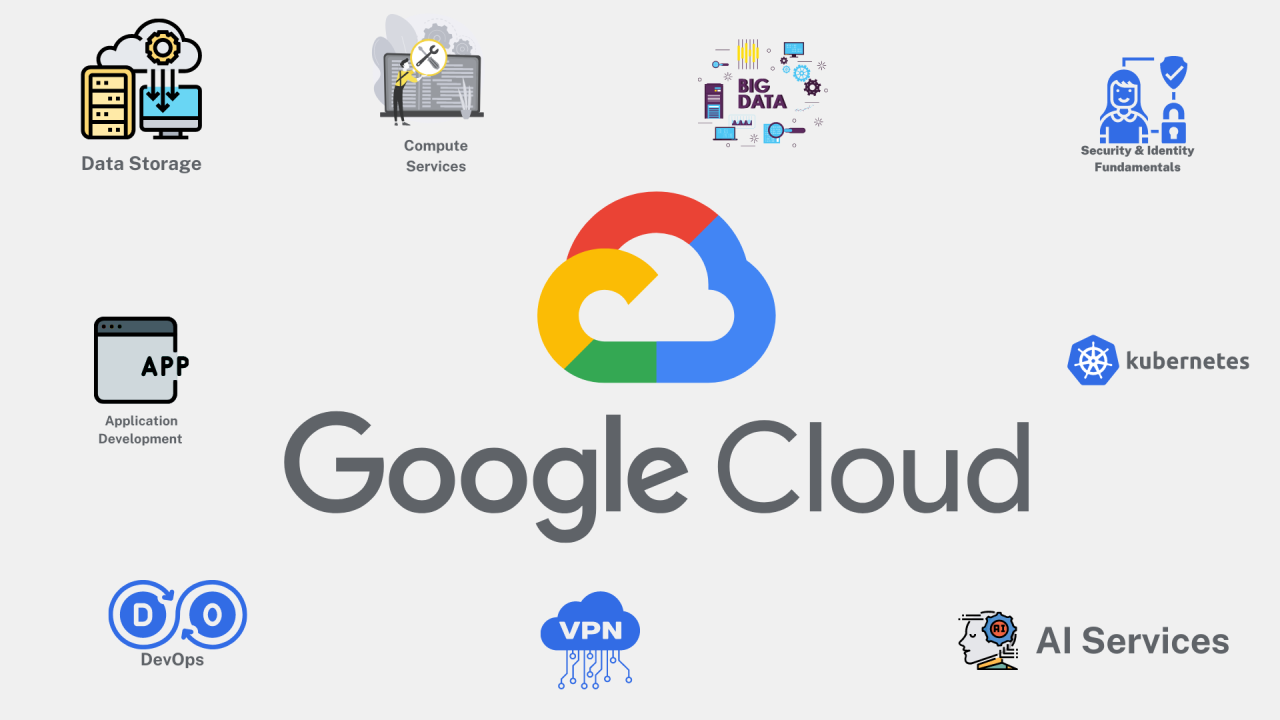
The "Basics of Google Cloud Solutions" program introduces participants to Google Cloud Platform (GCP) services and tools. Learn how to leverage GCP’s compute, storage, networking, and machine learning capabilities to build scalable, cost-effective cloud solutions for various business needs.
Program Overview:
The Basics of Google Cloud Solutions program provides an introductory guide to the key services and tools offered by Google Cloud Platform (GCP). Google Cloud is known for its robust infrastructure and a wide range of cloud services that enable businesses to deploy, manage, and scale applications and workloads efficiently. This program will help participants understand the core components of GCP, such as Compute Engine, Google Kubernetes Engine (GKE), Cloud Storage, and BigQuery for data processing. Participants will also learn about Cloud Functions for serverless computing and Cloud Pub/Sub for event-driven architectures. The program covers GCP’s security best practices, including Identity and Access Management (IAM) and Cloud Key Management. By the end of the program, learners will understand how to design and deploy scalable, secure, and cost-efficient cloud solutions using Google Cloud. Real-world use cases will help bridge theory to practical, industry-specific applications.
Program Structure:
The Basics of Google Cloud Solutions program is structured to provide a comprehensive yet accessible introduction to GCP. It begins with an overview of cloud computing principles and an introduction to Google Cloud Platform (GCP), including its core services and infrastructure. The first modules focus on Compute Services such as Compute Engine (VM instances) and Google Kubernetes Engine (GKE) for containerized applications, explaining how to deploy and manage cloud-based applications.
Next, the program covers Storage Solutions, including Cloud Storage for object storage, BigQuery for data warehousing, and Cloud SQL for managed relational databases. Learners will explore Networking in GCP, including VPC (Virtual Private Cloud), load balancing, and Cloud CDN. The program then dives into Security and Identity Management with IAM, Service Accounts, and Cloud Key Management. Finally, the program will explore Machine Learning APIs, Cloud Functions, and Pub/Sub for serverless applications and event-driven architectures. Real-world projects and exercises allow learners to apply their knowledge.
Skills that You Master:
Upon completing the Basics of Google Cloud Solutions program, participants will have gained the following key skills:
- Google Cloud Platform Overview: Understand the various services GCP offers and how to navigate the platform’s console to deploy and manage cloud resources.
- Compute Services: Learn how to launch and configure virtual machines using Compute Engine, deploy containerized applications with Google Kubernetes Engine (GKE), and use App Engine for platform-as-a-service (PaaS) solutions.
- Storage and Databases: Gain expertise in using Cloud Storage for scalable object storage, BigQuery for analytics and data warehousing, and Cloud SQL for managing relational databases in the cloud.
- Cloud Networking: Master Virtual Private Cloud (VPC), cloud load balancing, and configuring networking solutions in GCP.
- Security: Learn to configure Identity and Access Management (IAM), manage service accounts, and apply security best practices on Google Cloud.
- Serverless and Event-Driven Architecture: Use Cloud Functions for serverless computing and Cloud Pub/Sub for building scalable, event-driven applications.
These skills will enable participants to confidently utilize GCP’s offerings to build, deploy, and manage cloud applications with a focus on performance, security, and scalability.
Who Should Enroll:
The Basics of Google Cloud Solutions program is ideal for IT professionals, software developers, data analysts, and business analysts looking to get started with cloud technologies. It’s suited for individuals wanting to learn how to leverage Google Cloud Platform for cloud applications, storage, and data processing. Basic programming knowledge and familiarity with cloud concepts are recommended.
- Teacher: ADG User
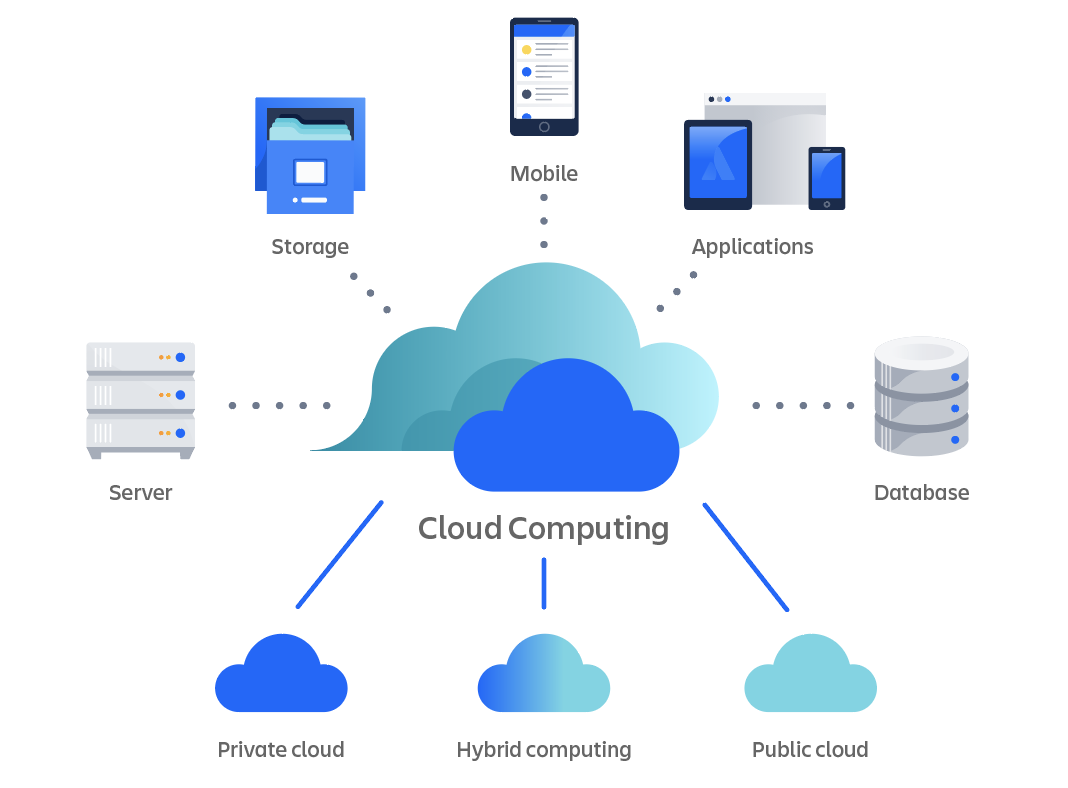
The Integrated Program in Cloud Computing Engineering covers the principles and practical skills required to design, deploy, and manage cloud infrastructure. Participants will learn cloud architecture, services, security, and DevOps practices, preparing them for roles in cloud engineering and management.
Program Overview:
The Integrated Program in Cloud Computing Engineering is designed for individuals seeking to specialize in cloud computing technologies and infrastructure management. This program offers a comprehensive curriculum that covers everything from cloud fundamentals to advanced cloud engineering concepts. Learners will explore the three primary cloud service models—IaaS, PaaS, and SaaS—and understand how they apply to business solutions. The program dives deep into cloud platforms like Amazon Web Services (AWS), Microsoft Azure, and Google Cloud Platform (GCP), providing hands-on experience in deploying, managing, and scaling applications in the cloud. Participants will also learn about cloud security, networking, and virtualization. Additional focus is placed on DevOps practices, automation, and containerization technologies such as Docker and Kubernetes. By the end of the program, learners will have the skills to design, deploy, and maintain cloud infrastructures, supporting businesses in adopting and optimizing cloud technologies for scalability and cost-efficiency.
Program Structure (150 words):
The Integrated Program in Cloud Computing Engineering is structured in modules that build progressively from cloud fundamentals to advanced cloud deployment and management strategies. The program begins with an introduction to Cloud Computing concepts, including the different types of cloud services (IaaS, PaaS, and SaaS) and deployment models (public, private, hybrid). The first few modules focus on Cloud Architecture and Platforms, where participants learn about popular platforms like AWS, Azure, and Google Cloud, understanding their tools, services, and infrastructures. In the next modules, learners will delve into Cloud Networking, Virtualization, and Storage Solutions—key concepts for setting up and maintaining scalable cloud environments. The program then covers Cloud Security, focusing on best practices for securing cloud infrastructure and data. Following that, learners are introduced to DevOps practices and tools such as Docker, Kubernetes, and CI/CD pipelines to automate cloud workflows. The program culminates with hands-on projects and case studies, simulating real-world cloud engineering scenarios.
Skills that You Master (150 words):
Upon completing the Integrated Program in Cloud Computing Engineering, participants will gain mastery in the following areas:
- Cloud Architecture: Understand the principles of cloud architecture, designing scalable and resilient infrastructures using AWS, Azure, and GCP services.
- Cloud Services Models: Learn how to work with IaaS, PaaS, and SaaS models to deliver cost-effective cloud-based solutions tailored to business needs.
- Cloud Networking and Virtualization: Master key concepts in networking, load balancing, and network configuration in the cloud. Learn about virtualization techniques that enable multi-tenant cloud environments.
- Cloud Security: Gain a deep understanding of securing cloud environments by implementing encryption, identity and access management (IAM), firewalls, and monitoring tools.
- DevOps and Automation: Learn how to integrate DevOps practices with cloud infrastructure, using tools like Docker, Kubernetes, and CI/CD pipelines for automated testing, deployment, and scaling.
- Cloud Management: Understand the tools and frameworks for managing and optimizing cloud resources, including cost management, performance monitoring, and capacity planning.
These skills will enable participants to design, deploy, and optimize enterprise-level cloud solutions, with a focus on scalability, security, and automation.
Who Should Enroll (60 words):
The Integrated Program in Cloud Computing Engineering is ideal for IT professionals, software developers, network engineers, and system administrators who want to specialize in cloud technologies. It’s also suitable for individuals seeking to transition into cloud computing or expand their knowledge of cloud services, infrastructure management, security, and DevOps practices. Prior experience with programming and networking is recommended.
- Teacher: ADG User